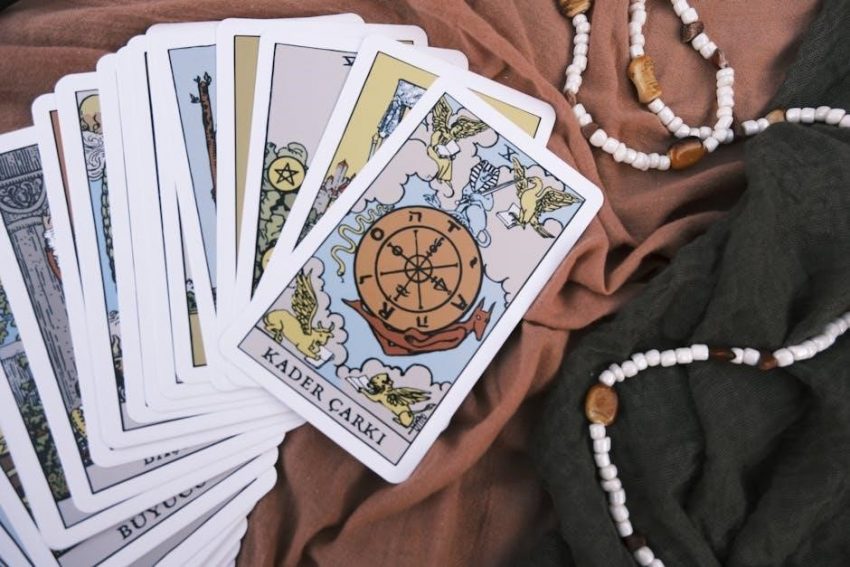
Tarot’s enduring appeal stems from its ability to offer guidance and self-discovery, with numerous resources available as PDF guides and online platforms like YouTube․
What is Tarot and its History?
Tarot, a system of divination and self-reflection, boasts a rich history tracing back to 15th-century Italy, with the earliest surviving decks like the Visconti-Sforza․ Initially used for games, Tarot evolved, incorporating esoteric traditions and symbolism․
The cards themselves—78 in total— are divided into the Major and Minor Arcana, each brimming with archetypal imagery․ While numerous resources exist, finding a comprehensive “how to read tarot cards PDF” can be a great starting point․
YouTube also offers a wealth of introductory videos, explaining the historical context and foundational principles․ Understanding this lineage enhances interpretation, moving beyond simple fortune-telling to a deeper exploration of personal narratives and potential pathways․
Understanding the Structure of a Tarot Deck
A standard Tarot deck comprises 78 cards, categorized into the Major and Minor Arcana․ The Major Arcana—22 cards—represent life’s significant lessons and archetypal energies, like The Fool or The Magician․ The Minor Arcana—56 cards—reflect daily experiences, divided into four suits: Wands, Cups, Swords, and Pentacles․
Each suit embodies different aspects of life: Wands (passion, creativity), Cups (emotions, relationships), Swords (intellect, challenges), and Pentacles (material world, security)․ Many beginner resources, including a “how to read tarot cards PDF,” detail this structure․
YouTube tutorials visually demonstrate card groupings and their interconnectedness․ Grasping this framework is crucial for accurate readings, allowing you to decipher the narrative woven within each spread․

The Major Arcana
The Major Arcana’s 22 cards symbolize life’s journey, often explored in detail within “how to read tarot cards PDF” guides and YouTube tutorials․
Exploring the Archetypes of the Major Arcana
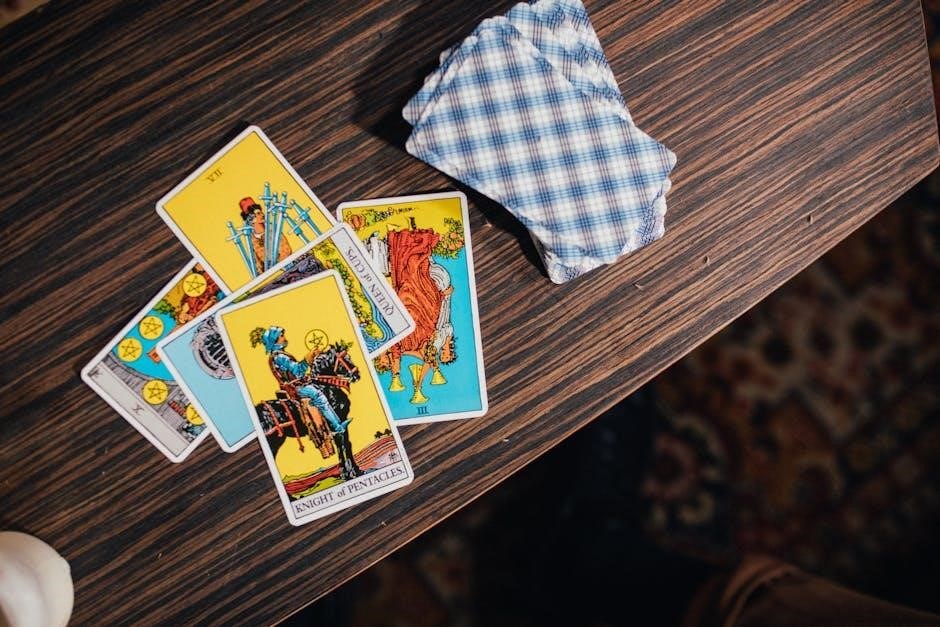
Delving into the Major Arcana reveals universal archetypes—the Fool’s innocence, the Magician’s power, and the High Priestess’s intuition․ These cards represent significant life lessons and karmic influences, often detailed in comprehensive “how to read tarot cards PDF” resources․ Understanding these archetypes isn’t about memorizing definitions, but recognizing their energies within yourself and your situation․
Many PDF guides emphasize that each card embodies a complex narrative, inviting introspection․ YouTube channels frequently demonstrate how these archetypes manifest in readings, offering practical examples․ The journey through the Major Arcana mirrors personal growth, from initial potential to ultimate enlightenment․ Learning to identify these archetypes enhances your intuitive connection to the cards, allowing for deeper, more meaningful interpretations․
Key Meanings of Popular Major Arcana Cards (The Fool, The Magician, The High Priestess)
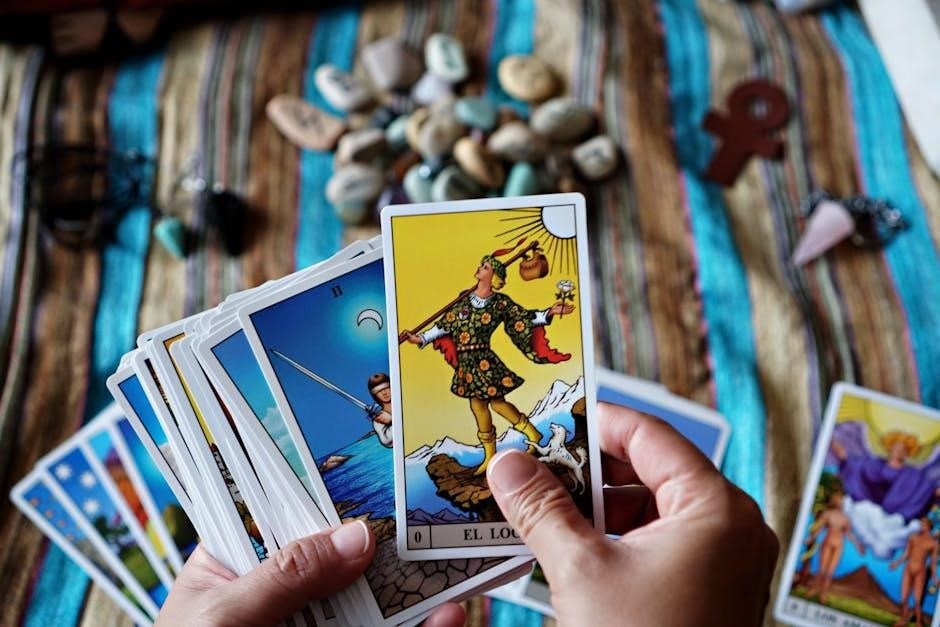
The Fool signifies new beginnings, faith, and limitless potential, often depicted embarking on a journey․ The Magician embodies manifestation, skill, and resourcefulness, showcasing the power to create․ The High Priestess represents intuition, mystery, and the subconscious, urging inner listening․ Many “how to read tarot cards PDF” guides detail these core meanings․
However, these are starting points; context is crucial․ YouTube tutorials often demonstrate nuanced interpretations, considering surrounding cards․ PDF resources frequently include reversed card meanings, adding layers of complexity․ Mastering these foundational cards builds confidence, enabling you to connect with the broader archetypal landscape of the Major Arcana and refine your reading skills․
The Minor Arcana
The Minor Arcana reflects daily life’s challenges and triumphs, explored in detail within “how to read tarot cards PDF” guides and online resources․
Suits of the Minor Arcana: Wands, Cups, Swords, Pentacles
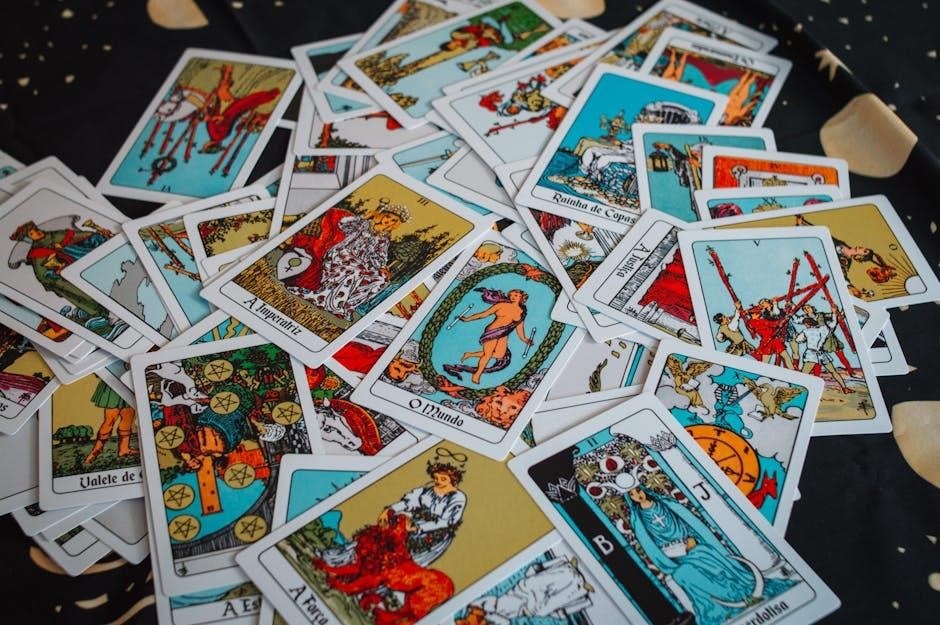
The Minor Arcana comprises four suits, each representing a different aspect of human experience․ Wands symbolize passion, creativity, and action – often linked to career and willpower․ Cups delve into emotions, relationships, and intuition, mirroring our inner feelings․ Swords represent intellect, logic, and challenges, highlighting conflicts and difficult decisions․ Finally, Pentacles embody the material world, focusing on finances, security, and physical well-being․
Understanding these suits is crucial for accurate readings․ Many “how to read tarot cards PDF” guides dedicate significant sections to detailed suit interpretations․ Online resources, including YouTube tutorials, further clarify their nuances․ Learning to identify the suit’s energy within a spread provides valuable context, enriching your overall interpretation and offering deeper insights into the querent’s situation․
Court Cards: Page, Knight, Queen, King – Their Significance
The Court Cards – Page, Knight, Queen, and King – represent personalities and energies within a reading, often reflecting people in the querent’s life or aspects of their own character․ Pages signify new beginnings, messages, and youthful energy; they are often students or messengers․ Knights embody action, movement, and pursuing goals, representing dynamic forces․
Queens represent inner wisdom, nurturing, and emotional maturity, embodying feminine energy․ Kings symbolize authority, leadership, and control, representing masculine principles․ Many “how to read tarot cards PDF” resources offer detailed profiles of each Court Card․ YouTube channels often demonstrate how to identify these archetypes within a spread, enhancing your interpretive skills and providing nuanced understanding․
Tarot Spreads
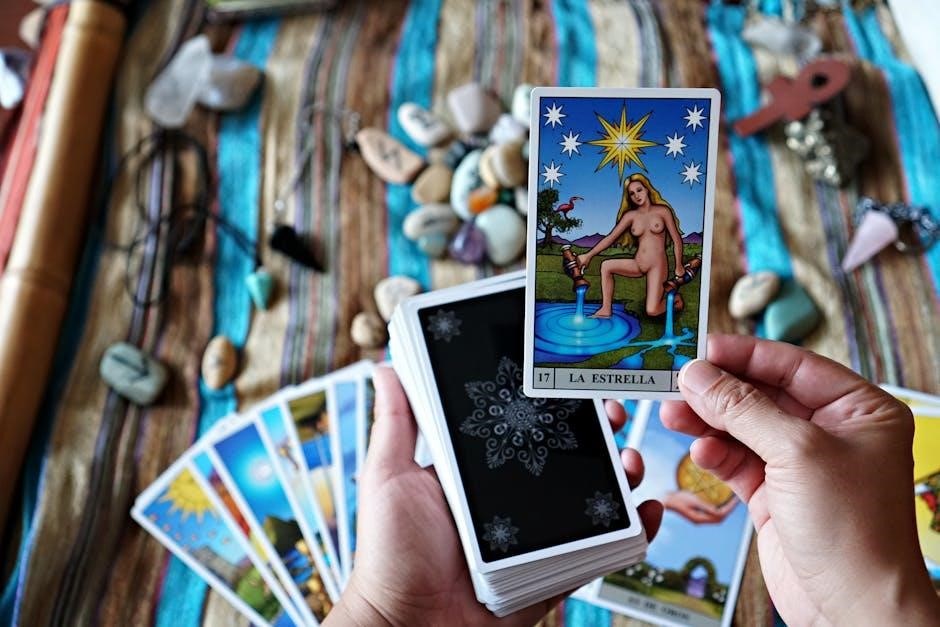
Tarot spreads provide frameworks for interpreting card relationships, with many layouts detailed in “how to read tarot cards PDF” guides and YouTube tutorials․
The Three-Card Spread: Past, Present, Future
The Three-Card Spread is a foundational layout, ideal for beginners and quick insights․ Many “how to read tarot cards PDF” resources dedicate significant space to this spread due to its simplicity and effectiveness․ The first card represents the past – influences and events that led to the current situation․ The second card illuminates the present – the core of the matter, current energies, and challenges․ Finally, the third card suggests the potential future, likely outcomes if the current path continues․
PDF guides often include example readings and interpretations for various card combinations within this spread․ YouTube videos frequently demonstrate how to physically lay out the cards and verbally articulate the reading․ Remember to consider card reversals and how they modify the core meanings, as detailed in comprehensive learning materials․
Celtic Cross Spread: A Comprehensive Reading
The Celtic Cross is a complex and detailed spread, offering a holistic view of a situation․ Numerous “how to read tarot cards PDF” guides dedicate chapters to mastering this layout, recognizing its depth․ It typically involves ten cards, each representing a specific aspect – the present, immediate challenge, subconscious influences, past events, potential future, external influences, your role, hopes/fears, and the ultimate outcome․
PDF resources often provide detailed explanations of each card position and potential interpretations․ YouTube tutorials visually demonstrate the card placement and offer guidance on synthesizing the information․ Mastering the Celtic Cross requires practice and a solid understanding of individual card meanings, often found within downloadable guides․

Learning Resources: Tarot PDFs & Online Guides
Numerous “how to read tarot cards PDF” guides offer foundational knowledge, while platforms like YouTube provide visual learning and diverse perspectives on card interpretation․
Finding Reliable Tarot PDF Guides Online
Locating trustworthy “how to read tarot cards PDF” resources requires discernment․ Many free PDFs circulate, varying significantly in quality and accuracy․ Prioritize guides from established tarot readers or publishers with a solid reputation․ Look for PDFs that comprehensively cover card meanings, spread layouts, and ethical considerations․
Beware of overly simplistic or sensationalized guides; genuine tarot study demands nuance․ Check for author credentials and reader reviews before downloading․ Websites offering curated lists of recommended tarot PDFs can be helpful starting points․ Remember that a PDF is often a supplement to, not a replacement for, interactive learning experiences like workshops or mentorship․ Always cross-reference information and trust your intuition when interpreting guidance․
Best Websites and YouTube Channels for Tarot Learning
Numerous online platforms complement “how to read tarot cards PDF” studies․ Biddy Tarot is a highly-regarded website offering extensive card meanings, spread explanations, and learning paths․ Labyrinthos Academy provides structured courses, blending traditional knowledge with modern insights․ For visual learners, YouTube is invaluable․
Channels like The Hermit’s Cave and Benebell Wen offer in-depth tarot tutorials and readings․ Explore diverse perspectives to broaden your understanding․ Many experienced readers share their knowledge freely, covering topics from beginner basics to advanced techniques․ Remember to critically evaluate content and find instructors whose style resonates with you․ Supplementing PDF guides with these resources creates a well-rounded learning experience․
Card Meanings & Interpretation
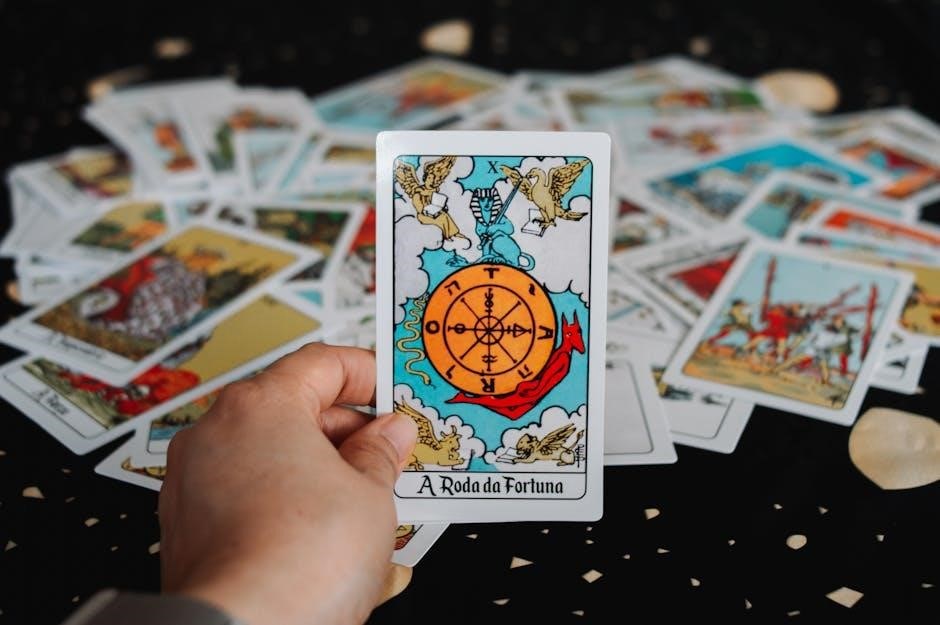
Understanding card symbolism, as detailed in “how to read tarot cards PDF” guides, is crucial; consider context and intuition for nuanced interpretations․
Reversed Cards: Understanding Alternate Interpretations
Reversed cards don’t necessarily signify “bad” meanings, but rather a blockage, internal conflict, or an energy expressed in a challenging way․ Many “how to read tarot cards PDF” resources dedicate sections to deciphering these nuances․ Often, a reversed card suggests the energy of the upright card is being suppressed or experienced internally․
For example, a reversed Strength card might indicate self-doubt instead of inner power, while a reversed Ten of Cups could point to family disharmony․ Some readers view reversals as a call to examine the upright meaning more deeply, identifying where the energy is stuck․ Online guides and YouTube tutorials frequently emphasize that reversals require careful consideration within the context of the spread and your intuition․ Don’t dismiss them – they offer valuable insights!
Combining Card Meanings in a Spread
Interpreting a Tarot spread isn’t about reading each card in isolation; it’s about understanding how they interact․ “How to read tarot cards PDF” guides often stress the importance of storytelling – weaving a narrative from the cards’ combined energies․ Consider the positions within the spread; each represents a specific aspect of the question․
Look for repeating suits or numbers, as these highlight key themes․ Are there any cards that seem to contradict each other? This could indicate internal conflict or opposing forces at play․ Online resources and YouTube channels demonstrate how to identify patterns and synthesize the cards’ meanings into a cohesive reading․ Remember, intuition is crucial – let the cards speak to you!

Ethics and Intuition in Tarot Reading
Responsible Tarot practice, detailed in many “how to read tarot cards PDF” guides, emphasizes respecting free will and using intuition ethically for insightful readings․
Developing Your Intuitive Abilities
Many “how to read tarot cards PDF” resources highlight the crucial role of intuition․ It’s not simply memorizing card meanings; it’s about feeling the energy and narrative each card presents․ Begin with daily meditation to quiet the mind and enhance your inner voice․ Journaling after each reading, noting initial impressions and how they evolve, is invaluable․
Practice “card of the day” draws, focusing on the sensations and thoughts that arise before consulting any guidebook․ Explore different spreads, starting with simple ones, and trust your gut feelings about card placement and connections․ Remember, intuition isn’t about predicting the future, but understanding present energies and potential pathways․ Consistent practice, combined with ethical considerations, will strengthen your intuitive connection to the Tarot․
Responsible Tarot Reading Practices
Many “how to read tarot cards PDF” guides emphasize ethical considerations․ Avoid readings that involve predicting health outcomes or making decisions for others․ Empower clients by offering insights, not definitive answers․ Respect free will; Tarot reveals potential, not predetermined fates․ Confidentiality is paramount – treat all readings with discretion․
Never exploit vulnerabilities or create dependency․ If a reading touches on sensitive topics, suggest professional help․ Be mindful of your own energy; ground yourself before and after readings․ Approach Tarot with humility and a genuine desire to assist, not to impress․ Remember, responsible practice builds trust and fosters positive experiences for both reader and seeker․
Advanced Techniques
Exploring Tarot’s depths involves combining it with astrology, and utilizing self-reflection techniques detailed in many “how to read tarot cards PDF” resources․
Using Tarot for Self-Reflection and Personal Growth
Tarot transcends mere fortune-telling; it’s a powerful tool for introspection and fostering personal evolution․ Many “how to read tarot cards PDF” guides emphasize journaling alongside readings, prompting deeper analysis of the cards’ symbolism and their resonance with your life experiences․
Consider the cards as mirrors reflecting your subconscious, illuminating hidden patterns and potential pathways․ Instead of seeking definitive answers, frame questions that encourage self-exploration – “What limiting beliefs are holding me back?” or “How can I nurture my creativity?”
PDF resources often suggest creating a dedicated Tarot journal to record readings, interpretations, and subsequent outcomes․ This practice builds a personal lexicon of card meanings tailored to your unique journey, enhancing intuitive understanding and facilitating profound self-discovery․ Regular practice, guided by accessible PDFs, unlocks Tarot’s potential for lasting positive change․
Tarot and Astrology: Connecting the Systems
The synergy between Tarot and Astrology offers a richer, more nuanced understanding of life’s complexities․ While “how to read tarot cards PDF” guides typically focus on the cards themselves, advanced resources explore their astrological correspondences, revealing deeper layers of meaning․
Each Major Arcana card aligns with a zodiac sign and planetary influence, adding another dimension to interpretation․ For example, The Emperor embodies Capricorn’s structure and Saturn’s discipline․ Understanding these connections allows for a more holistic reading, integrating cosmic energies with personal narratives․
PDFs dedicated to this intersection often provide tables mapping cards to astrological symbols, enabling readers to synthesize insights from both systems․ This combined approach enhances predictive accuracy and provides a framework for understanding karmic patterns and soul purpose, enriching the Tarot experience․