
Green Finch and Linnet Bird Sheet Music PDF: A Comprehensive Guide
Finding readily available PDF sheet music for “Green Finch and Linnet Bird” involves exploring resources like Grant Doyle Vocal Studio and Scribd. These platforms offer
digital copies, catering to vocalists and pianists seeking to learn this beautiful piece from Sweeney Todd.
“Green Finch and Linnet Bird” is a poignant and deceptively simple ballad from Stephen Sondheim’s Sweeney Todd: The Demon Barber of Fleet Street. This delicate aria, sung by the innocent Johanna, starkly contrasts with the dark and vengeful themes surrounding it.
The song’s beauty lies in its lyrical depiction of freedom and nature, representing Johanna’s longing for a life beyond her confinement. Accessing sheet music, often found in PDF format online through sources like Grant Doyle Vocal Studio and Scribd, allows performers to delve into its intricacies.
Historical Context of Sweeney Todd
Stephen Sondheim’s Sweeney Todd, though a 1979 musical, draws inspiration from the penny dreadful “The String of Pearls” (1846). This Victorian-era tale of a barber’s gruesome revenge provides the dark foundation for the musical’s narrative.
Within this grim setting, “Green Finch and Linnet Bird” offers a brief respite, highlighting Johanna’s innocence. Finding sheet music PDFs – available on platforms like Scribd and Grant Doyle Vocal Studio – allows singers to connect with this historical and emotional context.
The Significance of “Green Finch and Linnet Bird”
“Green Finch and Linnet Bird” stands as a poignant contrast within the macabre world of Sweeney Todd. It represents Johanna’s yearning for freedom and a life untouched by the surrounding darkness. Accessing sheet music PDFs, found on sites like Grant Doyle Vocal Studio and Scribd, allows performers to embody this delicate hope.
The song’s beauty underscores the tragedy of Johanna’s situation, making it a crucial emotional turning point. Its availability in PDF format facilitates study and performance.

Finding Sheet Music Online
Locating “Green Finch and Linnet Bird” sheet music PDFs is achievable through online vocal studios and document-sharing platforms like Scribd, offering convenient access.
Grant Doyle Vocal Studio PDF
The Grant Doyle Vocal Studio provides a downloadable PDF of “Green Finch and Linnet Bird” sheet music, published on February 7th, 2025. This resource is readily accessible on their website, offering a convenient option for vocalists. The document appears to be a prepared vocal score, potentially suitable for auditions or study.
Accessing this PDF directly from the source ensures a reliable copy, though it’s always wise to verify its accuracy against other versions. The URL provided leads directly to the downloadable file, simplifying the acquisition process for performers.
Scribd Document Availability
Scribd hosts a document titled “Green Finch and Linnet Bird,” available as a PDF, and identified as Sweeney Todd sheet music. Published on March 27th, 2024, this version has garnered 31K views and positive user feedback, with 100% finding it useful based on 10 votes.
However, accessing the full document on Scribd may require a subscription or free trial. It’s presented as a six-page score, offering a potentially complete arrangement for vocal performance and study.
Other Potential Online Sources
Beyond Grant Doyle Vocal Studio and Scribd, locating “Green Finch and Linnet Bird” sheet music PDFs requires broader online searching. Music retailers specializing in musical theatre scores are potential avenues.
Furthermore, online forums dedicated to vocal performance and Sweeney Todd enthusiasts may share or discuss available resources. Caution is advised when downloading from unofficial sources, ensuring legality and score accuracy before use.

Analyzing the Sheet Music
Examining the PDF reveals details about key signatures, vocal ranges, and piano accompaniment. Understanding these elements is crucial for a successful performance of this Sondheim piece.
Key Signature and Time Signature
The sheet music for “Green Finch and Linnet Bird” typically presents in E major, a key lending itself to the song’s bright, yet fragile, character. The time signature is predominantly 6/8, creating a gentle, lilting rhythm that mirrors the imagery of birds in flight. This rhythmic structure contributes significantly to the song’s overall delicate and flowing quality.
Analyzing the key and time signature provides insight into the musical choices made by Sondheim, enhancing the emotional impact and lyrical interpretation for performers.
Vocal Range and Difficulty
“Green Finch and Linnet Bird” demands a soprano with a comfortable range, generally spanning from A3 to E5, though some arrangements may extend slightly. The piece is considered moderately difficult, requiring precise coloratura and sustained high notes.
Its lyrical phrasing and delicate dynamics necessitate strong breath control and vocal agility. Performers must navigate intricate melodic lines while conveying Johanna’s innocence and longing, making it a challenging yet rewarding selection.
Piano Accompaniment Complexity
The piano part for “Green Finch and Linnet Bird” is deceptively intricate. While seemingly simple, it requires a sensitive touch to support the vocal line without overpowering it.
The accompaniment features delicate arpeggios and subtle harmonic shifts, creating a bird-like texture. A skilled pianist must maintain clarity and balance, providing a foundation for the soprano’s expressive performance, demanding precision and musicality.
Melodic Structure and Motifs
The melody of “Green Finch and Linnet Bird” is characterized by its lyrical and flowing quality, mirroring the freedom of birds in flight. Sondheim employs a stepwise melodic motion, creating a sense of innocence and vulnerability.
Recurring motifs, particularly ascending intervals, symbolize Johanna’s yearning for escape. The melodic structure, though seemingly simple, is carefully crafted to evoke a poignant emotional response, enhancing the song’s dramatic impact.

Understanding the Song’s Lyrics
The lyrics beautifully portray Johanna’s longing for freedom and a life beyond her confinement, using the imagery of birds to express her hopes and dreams.
Thematic Interpretation of the Lyrics
The song’s core theme revolves around restricted liberty and the yearning for a life unburdened by captivity. Johanna’s lyrics, filled with vibrant bird imagery, symbolize her desperate desire for freedom.
The “green finch” and “linnet bird” represent the untamed joy and boundless possibilities she envisions. This contrasts sharply with her reality, highlighting the tragic irony of her situation.
The lyrics aren’t merely about birds; they are a poignant metaphor for a soul longing to escape its gilded cage, a powerful expression of hope amidst despair.
Johanna’s Character and Perspective
Through “Green Finch and Linnet Bird,” Johanna is portrayed as a naive and hopeful young woman, tragically isolated. The song reveals her innocence and gentle spirit, contrasting with the grim world surrounding her.
Her perspective is one of longing and wistful dreaming, clinging to the beauty of nature as a source of solace. The lyrics showcase her vulnerability and the crushing weight of her impending fate, making her a deeply sympathetic character.
Symbolism of the Birds
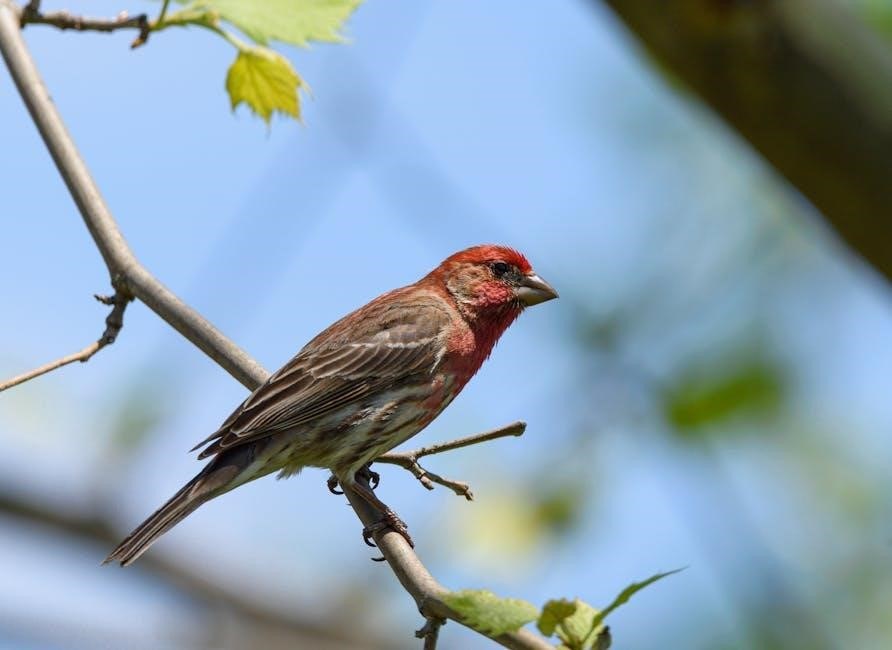
The birds in the song – the green finch and the linnet – powerfully symbolize Johanna’s freedom and innocence. They represent the life she desires, a life of natural beauty and unrestrained joy, sharply contrasting with her captivity.
Sondheim uses these avian images to highlight the tragic loss of potential and the stifling of her spirit. The birds’ song embodies a world Johanna can only dream of, emphasizing her desperate situation.

Vocal Performance Considerations
Mastering this piece requires careful attention to breath control, dynamic variation, and emotional nuance, ensuring a delicate yet powerful portrayal of Johanna’s longing.
Breathing Techniques for the Song
Successfully navigating “Green Finch and Linnet Bird” demands strategic breath management. The lyrical phrasing, while seemingly simple, contains sustained notes requiring substantial breath support. Diaphragmatic breathing is crucial, allowing for controlled releases and preventing tension.
Vocalists should identify natural phrasing breaks within the melody to subtly inhale, avoiding audible gasps. Practicing with a metronome can help establish consistent breathing patterns. Focus on expanding the ribcage during inhalation and maintaining a relaxed throat throughout the performance, ensuring a fluid and expressive delivery.
Dynamic Control and Phrasing
Mastering “Green Finch and Linnet Bird” requires nuanced dynamic control. The song’s delicate nature benefits from a wide range, from hushed pianissimo passages reflecting Johanna’s vulnerability to gentle crescendos mirroring her hopeful spirit.
Phrasing should emphasize the lyrical content, shaping each line with intention. Subtle pauses and legato connections enhance the emotional impact. Careful attention to the sheet music’s markings, alongside personal interpretation, will unlock the song’s expressive potential, creating a captivating performance.
Emotional Expression and Interpretation
“Green Finch and Linnet Bird” demands a deeply empathetic interpretation. Singers must embody Johanna’s longing for freedom and innocence, conveying her fragile hope amidst confinement. The sheet music serves as a guide, but genuine emotional connection is paramount.
Explore Johanna’s perspective – her isolation, dreams, and quiet resilience; Subtle vocal coloring and expressive phrasing can illuminate the lyrics’ poignant beauty, creating a performance that resonates with both vulnerability and strength, truly capturing the song’s essence.
Piano Accompaniment Techniques
The piano part requires delicate pedaling and harmonic support to create a bird-like atmosphere. Balancing the accompaniment with the vocal line is crucial for a beautiful rendition.
Pedaling and Harmonic Support
Effective pedaling is paramount in “Green Finch and Linnet Bird,” creating a shimmering, ethereal quality that evokes the song’s imagery. Subtle half-pedaling techniques will prevent muddiness while sustaining the delicate harmonies. The harmonic structure, though seemingly simple, benefits from nuanced voicing and attention to chord inversions.
Pianists should prioritize clarity and lightness, avoiding heavy or percussive playing. Supporting the vocal line with gentle arpeggios and sustained chords enhances the song’s emotional impact, mirroring Johanna’s fragile hope; Careful consideration of dynamics is also essential.
Creating Atmosphere and Texture
The piano accompaniment in “Green Finch and Linnet Bird” is crucial for establishing a delicate and wistful atmosphere. Utilizing a light touch and avoiding overly robust dynamics is key. The texture should feel transparent, allowing Johanna’s vocal line to soar.
Employing subtle variations in voicing and articulation can further enhance the song’s emotional depth. Consider using delicate arpeggios or broken chords to mimic the fluttering of birds’ wings, enriching the overall sonic landscape.
Balancing with the Vocal Line
Achieving a harmonious balance between the piano and vocal line is paramount in “Green Finch and Linnet Bird.” The accompaniment should support, not overshadow, Johanna’s delicate vocal performance. Careful attention to dynamics is essential; the piano must respond sensitively to the nuances of her phrasing.
Avoid overly assertive playing that could drown out the vocal melody. Instead, focus on creating a subtle harmonic foundation that enhances the emotional impact of the song, allowing the voice to remain the focal point.

Sheet Music Variations and Arrangements
Numerous arrangements exist, ranging from official publications to unofficial adaptations, and simplified versions for varying vocal ranges and skill levels are available as PDFs.
Official vs. Unofficial Arrangements
Distinguishing between official and unofficial arrangements is crucial when sourcing “Green Finch and Linnet Bird” sheet music PDFs. Official arrangements, typically authorized by the Sondheim estate, prioritize accuracy and artistic integrity, reflecting the composer’s original intent. Conversely, unofficial arrangements, often found on platforms like Scribd, may contain alterations or interpretations.
While these can be useful for practice, they might deviate from the definitive score. Always verify the source and consider the arranger’s credentials when selecting a PDF to ensure a reliable and musically sound learning experience.
Arrangements for Different Vocal Types
Locating “Green Finch and Linnet Bird” sheet music PDFs tailored to specific vocal ranges can significantly enhance the learning process. While the original key suits a soprano, transposed versions cater to mezzo-sopranos or altos. Some arrangements simplify the vocal line for beginner singers, focusing on core melodies.
Exploring vocal studio resources, like Grant Doyle Vocal Studio, may reveal adapted PDFs. Always assess the arrangement’s suitability to your vocal capabilities for optimal performance and enjoyment.
Simplified Arrangements for Beginners
For aspiring vocalists, finding simplified “Green Finch and Linnet Bird” sheet music PDFs is crucial. These arrangements often reduce the vocal range and complexity of the piano accompaniment. They prioritize the core melody, making the piece more accessible for those new to musical theatre repertoire.
While official simplified versions are rare, resourceful searches may uncover adapted PDFs online, aiding beginners in mastering this challenging, yet rewarding, Sondheim piece.

Copyright and Legal Considerations
Understanding the copyright status of Sweeney Todd is vital when sourcing “Green Finch and Linnet Bird” sheet music PDFs, ensuring legal and ethical access.
Public Domain Status of Sweeney Todd
Currently, Sweeney Todd itself is not fully in the public domain. While the original story may have older roots, Stephen Sondheim’s musical adaptation remains under copyright protection. This means that freely distributing copies of the sheet music, including PDFs, without permission could infringe upon those rights.
However, it’s crucial to remember copyright laws vary by country, and the situation can change over time. Always verify the current legal status before downloading or sharing any sheet music to ensure compliance and respect for intellectual property.
Legality of Downloading PDFs
Downloading “Green Finch and Linnet Bird” sheet music PDFs from unofficial sources carries legal risks. While platforms like Scribd offer access, ensure compliance with their terms of service and copyright regulations. Obtaining PDFs from unauthorized websites may constitute copyright infringement, potentially leading to legal consequences.
Purchasing from legitimate sources or utilizing licensed sheet music services is the safest approach. Respecting copyright protects the composer and ensures continued creation of musical works.
Respecting Copyright Laws
Copyright protection for Stephen Sondheim’s work, including “Green Finch and Linnet Bird,” remains a crucial consideration. While Sweeney Todd may have elements nearing public domain in some regions, sheet music arrangements are often separately copyrighted.
Therefore, unauthorized reproduction or distribution of PDFs is generally prohibited. Supporting composers and publishers through legal purchases ensures the continuation of musical artistry and respects intellectual property rights. Always verify licensing before sharing or copying.
Tools for Working with PDF Sheet Music
Utilize PDF editors for annotation, music notation software for manipulation, and digital readers for convenient practice of your “Green Finch and Linnet Bird” sheet music.
PDF Editors for Annotation
Employing a robust PDF editor is crucial when working with downloaded sheet music for “Green Finch and Linnet Bird.” These tools allow direct annotation onto the PDF, enabling markings for dynamics, phrasing, and breath marks.
Software like Adobe Acrobat or free alternatives facilitate highlighting difficult passages, adding reminders for specific vocal techniques, and noting interpretive choices. This personalized approach transforms a static PDF into a dynamic learning tool, enhancing practice and performance preparation.
Effective annotation streamlines the learning process, making the sheet music uniquely tailored to your individual needs.
Music Notation Software Compatibility
While PDF sheet music is convenient, compatibility with music notation software offers advanced editing capabilities. Programs like MuseScore or Sibelius can open and convert PDF files, allowing for transposition, tempo adjustments, and detailed analysis of “Green Finch and Linnet Bird.”
This conversion facilitates deeper engagement with the score, enabling customized arrangements or simplified versions. Furthermore, notation software aids in creating practice tracks and extracting individual vocal or piano parts for focused rehearsal.
It’s a powerful tool for serious study.
Digital Sheet Music Readers
Utilizing digital sheet music readers, such as ForScore or Sheet Music Pro, streamlines the experience of accessing “Green Finch and Linnet Bird” PDFs. These applications offer features like page turning, annotation tools, and setlist creation, enhancing practice sessions and performances.
They allow for organization and easy access to the score on tablets or smartphones, eliminating the need for physical copies. Readers often support importing PDFs from various sources, including those found on Grant Doyle Vocal Studio or Scribd.
Convenience is key for musicians!

Printing and Physical Copies
For a tangible score, printing downloaded PDFs requires optimal settings and quality paper. Maintaining the sheet music’s condition ensures longevity for frequent practice sessions.
Optimal Printing Settings
Achieving a high-quality print of your “Green Finch and Linnet Bird” sheet music PDF necessitates careful attention to printer settings. Select “actual size” or 100% scaling to avoid distortion of musical notation.
Prioritize a high DPI (dots per inch) setting, ideally 300 DPI or higher, for clear readability of notes and lyrics. Choose a paper type appropriate for music – a heavier weight stock prevents bleed-through and offers durability.
Experiment with grayscale or color options based on your PDF’s original formatting, ensuring all markings are visible.
Paper Quality and Binding
Selecting appropriate paper significantly impacts the longevity and usability of your printed “Green Finch and Linnet Bird” sheet music. Opt for acid-free paper, preventing yellowing and deterioration over time. A weight of 24-28lb is recommended for durability.
Consider binding options like coil binding or three-hole punching for a lay-flat experience, facilitating ease of page turns during performance. Protective sheet music sleeves can further safeguard against wear and tear, preserving your investment.
Maintaining Sheet Music Condition
Preserving your “Green Finch and Linnet Bird” sheet music requires diligent care. Store printed copies in a cool, dry environment, away from direct sunlight and humidity. Handle the sheets with clean hands to avoid transferring oils or dirt. Utilize protective plastic sleeves to shield against spills and physical damage. Regular, gentle dusting prevents buildup, ensuring readability for years to come.

Resources for Learning the Song
Vocal coaches, music teachers, and online tutorials can aid in mastering “Green Finch and Linnet Bird.” Recordings offer valuable reference points for interpretation.
Vocal Coaches and Music Teachers
Engaging a vocal coach provides personalized guidance for navigating the song’s challenging range and phrasing. Experienced teachers can offer tailored exercises to improve breath control and vocal technique, crucial for Sondheim’s complex compositions.
They can also assist with stylistic interpretation, helping singers embody Johanna’s character and convey the song’s emotional depth. Finding a coach familiar with musical theatre repertoire is highly beneficial, ensuring focused instruction on this specific piece.
Online Tutorials and Masterclasses
Numerous online resources offer supplementary learning for “Green Finch and Linnet Bird.” While dedicated masterclasses specifically for this song may be limited, vocal technique tutorials and musical theatre workshops can prove invaluable.
Platforms like YouTube host analyses of Sondheim’s work, providing insights into his compositional style. Searching for performances and breakdowns can aid understanding, though personalized feedback from a coach remains optimal for nuanced interpretation.
Recordings of the Song for Reference
Listening to various recordings of “Green Finch and Linnet Bird” is crucial for informed study. The original Broadway cast recording, featuring Sarah Jessica Parker, provides a definitive interpretation.
However, exploring interpretations by other vocalists – such as Audra McDonald or Ruthie Ann Miles – reveals diverse approaches to phrasing and emotional delivery. Comparing these performances alongside the sheet music enhances understanding and informs your own artistic choices.
Common Challenges and Solutions
Mastering this piece requires addressing tricky passages and synchronization with the piano. Careful practice and focused attention to phrasing will yield success.
Difficult Passages and Vocal Techniques
Navigating “Green Finch and Linnet Bird” presents unique vocal hurdles. The rapid melodic runs demand precise articulation and breath control, requiring diligent practice to achieve clarity. Maintaining consistent tone quality throughout the song’s range is also crucial. Singers often struggle with the sustained high notes, necessitating strong vocal support and proper technique.
Focusing on legato phrasing and dynamic variation enhances the emotional impact. Utilizing exercises to improve agility and expand vocal range will greatly assist in conquering these challenges, ultimately leading to a more polished performance.
Accompaniment Synchronization Issues
Performing “Green Finch and Linnet Bird” often reveals synchronization challenges between vocalist and pianist. The delicate interplay requires meticulous attention to timing and phrasing. Subtle tempo fluctuations can easily disrupt the balance, making precise coordination essential.
Practicing with a metronome and actively listening to recordings helps internalize the rhythmic nuances. Clear communication between performers is vital to address any discrepancies and ensure a seamless, unified musical interpretation. Careful rehearsal is key to a polished presentation.
Interpreting the Song’s Nuances
“Green Finch and Linnet Bird” demands a sensitive interpretation, capturing Johanna’s fragile hope amidst confinement. The sheet music reveals subtle dynamic shifts and phrasing cues crucial for conveying her emotional state.
Understanding the song’s context within Sweeney Todd enhances performance depth. Vocalists should explore Johanna’s perspective, embodying her yearning for freedom. Nuance lies in balancing innocence with underlying desperation, creating a poignant and captivating portrayal.
Mastering “Green Finch and Linnet Bird”
Successfully performing “Green Finch and Linnet Bird” requires diligent study of the sheet music, available through sources like Grant Doyle Vocal Studio and Scribd.
Focusing on vocal technique, emotional interpretation, and nuanced phrasing unlocks the song’s power. Accessing reliable PDF versions facilitates practice and refinement. Ultimately, mastering this piece involves honoring Sondheim’s artistry and conveying Johanna’s poignant story with sensitivity and skill.