Briggs & Stratton’s 17․5 HP engine is a workhorse‚ powering mowers‚ pressure washers‚ and more․ Accessing a detailed manual ensures optimal performance and longevity for this popular engine;
Engine Overview and Common Applications
The Briggs & Stratton 17․5 HP engine represents a cornerstone of small engine technology‚ widely recognized for its reliability and robust performance․ This single-cylinder engine‚ often found in the Silver Edition series‚ delivers substantial power for a variety of outdoor power equipment․ Common applications include powering lawn tractors‚ riding mowers – like the 2009 Craftsman 42” model – and various types of pressure washers․
Its versatility extends to other equipment such as log splitters‚ concrete mixers‚ and water pumps․ The engine’s design prioritizes ease of maintenance and repair‚ making it a favorite among both homeowners and professionals․ Understanding its capabilities and limitations‚ as detailed in a comprehensive manual‚ is crucial for maximizing its lifespan and ensuring safe operation across these diverse applications․
Importance of a Manual for Maintenance & Repair
A dedicated manual is absolutely essential for maintaining and repairing a Briggs & Stratton 17․5 HP engine․ It provides detailed diagrams‚ troubleshooting guides‚ and specific instructions for tasks like oil changes‚ air filter replacements‚ and carburetor adjustments․ Attempting repairs without proper guidance can lead to further damage or even safety hazards․
The manual unlocks access to crucial information‚ including engine specifications‚ parts lists‚ and torque settings․ Downloading the official Briggs & Stratton documentation – available online – ensures you have the correct procedures for your specific model number․ Consistent adherence to the manual’s recommendations extends the engine’s life‚ optimizes performance‚ and safeguards your investment in this powerful piece of equipment․
Safety Precautions
Always disconnect the spark plug before servicing․ Handle fuel with extreme caution‚ and ensure adequate ventilation when working on the Briggs & Stratton engine․
General Safety Guidelines
Prioritize safety when working with your 17․5 HP Briggs & Stratton engine․ Always wear appropriate eye protection to shield against debris․ Ensure the work area is well-ventilated‚ especially when dealing with fuel․ Never operate the engine in an enclosed space due to the risk of carbon monoxide poisoning․ Before performing any maintenance‚ disconnect the spark plug wire to prevent accidental starting․ Keep children and bystanders away from the operating engine․
Be mindful of hot surfaces‚ such as the muffler and cylinder head‚ to avoid burns․ Use caution when handling sharp tools․ Always refer to the engine manual for specific safety instructions and warnings related to your model․ Proper attire‚ including closed-toe shoes‚ is essential․ Inspect the engine for any damage before each use․
Fuel Handling Safety
Exercise extreme caution when handling fuel for your 17․5 HP Briggs & Stratton engine․ Always refuel outdoors in a well-ventilated area‚ away from open flames‚ sparks‚ or heat sources․ Never smoke while refueling․ Use a funnel to prevent spills and avoid overfilling the fuel tank․ Wipe up any spilled fuel immediately with a clean cloth․ Store fuel in an approved container‚ clearly labeled‚ and in a cool‚ dry‚ and secure location‚ out of reach of children․

Never use gasoline as a cleaning agent․ Dispose of old fuel properly according to local regulations․ Always check fuel lines and connections for leaks before starting the engine․ Refer to your engine manual for the recommended fuel type and octane rating․
Understanding Engine Components
Familiarizing yourself with key parts – like the carburetor‚ spark plug‚ and valves – is crucial for effective maintenance and repair of your 17․5 HP engine․
Key Parts Identification (Diagram Reference)
Locating and understanding the function of each component is paramount when working with a Briggs & Stratton 17․5 HP engine․ Essential parts include the cylinder head‚ housing the valves and spark plug‚ and the carburetor‚ responsible for air-fuel mixture regulation․ The crankshaft converts reciprocating motion into rotational power‚ while the connecting rod links the piston to the crankshaft․
The piston itself moves within the cylinder‚ compressing the air-fuel mixture․ Don’t overlook the muffler‚ reducing exhaust noise‚ and the flywheel‚ maintaining engine momentum․ Illustrated parts lists‚ readily available online through the Briggs & Stratton website or manuals‚ provide detailed diagrams; These diagrams clearly label each part‚ aiding in identification during assembly or repair․ Referencing these visuals alongside a physical inspection of your engine is highly recommended for accurate component recognition․
Engine Specifications (Model Numbers & Variations)
Briggs & Stratton 17․5 HP engines encompass several model numbers‚ including those within the Intek series like 405777 and 445777․ Identifying your specific model is crucial for obtaining the correct parts and service information․ Displacement typically ranges around 500cc for single-cylinder versions‚ as seen in the Silver Edition․
Variations exist based on shaft type (vertical or horizontal) and application․ Oil capacity varies depending on the model‚ but generally falls between 18-20 ounces․ Horsepower can slightly differ based on manufacturing year and specific engine configuration․ Always consult your engine’s model number‚ typically found on the engine block‚ to access precise specifications within the official Briggs & Stratton documentation or online resources․

Obtaining the Correct Manual
Briggs & Stratton’s website provides downloadable manuals and parts lists․ Utilizing your engine’s model number is essential for accurate information retrieval and support;
Briggs & Stratton Website Resources
Briggs & Stratton offers a comprehensive online resource center for engine owners․ Their official website is the primary location to find digital copies of owner’s manuals‚ illustrated parts catalogs‚ and troubleshooting guides specifically tailored to your 17․5 HP engine․
The website features a robust search function; however‚ having your engine’s model number readily available significantly streamlines the process․ You can locate the model number on the engine’s housing‚ typically near the spark plug or on a sticker․
Beyond manuals‚ the site provides access to “Briggs & Stratton Assist‚” a tool that helps identify parts‚ check availability‚ and even place orders online․ Regularly updated FAQs and support articles address common maintenance questions and repair concerns‚ offering valuable self-service options for engine upkeep․
Identifying Your Engine Model Number
Locating your Briggs & Stratton 17․5 HP engine’s model number is crucial for obtaining the correct manual and replacement parts․ This unique identifier ensures compatibility and accurate information for maintenance and repairs․ The model number is typically found stamped or affixed on a sticker directly on the engine․
Common locations include the engine block‚ near the spark plug‚ or on the valve cover․ Look for a label that clearly displays “Model No․” followed by a series of numbers and letters․ Carefully record this information‚ as even slight variations can impact the manual or parts you require․
If the original sticker is damaged or missing‚ consult the equipment’s owner’s manual (if available) or contact Briggs & Stratton customer support with details about your engine and the equipment it powers․
Basic Maintenance Procedures
Regular upkeep‚ like oil changes and air filter cleaning‚ is vital for a 17․5 HP Briggs & Stratton engine’s reliable operation‚ as detailed in the manual;
Oil Change Procedures & Oil Types
Regular oil changes are crucial for maintaining the 17․5 HP Briggs & Stratton engine’s health․ The manual recommends changing the oil after the first 25 hours of operation‚ then every 50 hours‚ or annually‚ whichever comes first․
To change the oil‚ warm the engine slightly‚ then remove the drain plug located on the bottom of the engine․ Allow the oil to drain completely into a suitable container․ Replace the drain plug and tighten securely․
Next‚ remove the oil fill cap and add the appropriate amount of oil‚ typically around 18-20 ounces‚ depending on the model․ SAE 30 is generally recommended for warmer temperatures‚ while SAE 10W-30 is suitable for cooler conditions․ Always refer to your engine’s specific manual for the correct oil type and capacity․
Air Filter Cleaning & Replacement
A clean air filter is vital for optimal engine performance․ The manual details inspection should occur every 25 hours of use․ If the filter is dirty‚ attempt to clean it by gently tapping it to remove loose debris‚ or by washing it with mild detergent and water – ensure it’s completely dry before reinstalling․
For heavily soiled or damaged filters‚ replacement is necessary․ Locate the air filter housing‚ usually on top of or beside the engine․ Remove the cover and carefully take out the old filter․
Install the new‚ correctly sized air filter‚ ensuring a proper seal․ Reattach the air filter cover securely․ Refer to your manual for the correct filter part number and replacement schedule for your specific 17․5 HP Briggs & Stratton engine model․
Troubleshooting Common Issues
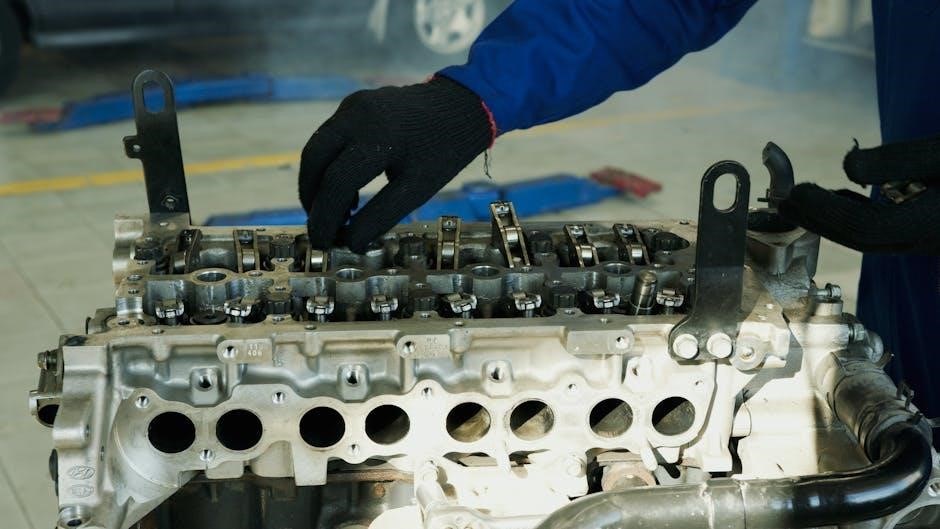
The manual provides solutions for issues like a no-start condition or rough running․ Diagnosing problems quickly‚ using the guide‚ minimizes downtime and repair costs․
Engine Won’t Start – Diagnosis & Solutions
Diagnosing a non-starting 17․5 HP Briggs & Stratton engine begins with verifying fuel delivery․ The manual stresses checking the fuel shut-off valve position and fuel tank for adequate gasoline․
Next‚ inspect the spark plug; a fouled or damaged plug prevents ignition․ Ensure proper connection to the spark plug wire․ If the spark plug is good‚ test the ignition coil‚ as outlined in the manual‚ to confirm it’s producing a spark․
Compression is crucial․ Low compression‚ indicated by difficult pull-starting‚ suggests valve or piston ring issues․ Finally‚ a clogged carburetor can starve the engine․ The manual details carburetor cleaning procedures․ Following these steps systematically‚ guided by the manual‚ will pinpoint the cause․
Engine Runs Rough – Identifying the Cause
A rough-running 17․5 HP Briggs & Stratton engine often signals fuel or air mixture problems․ The manual highlights the importance of a clean air filter; a restricted filter chokes the engine․ Inspect and replace it if dirty․
Next‚ examine the carburetor․ A partially clogged carburetor jet restricts fuel flow‚ causing a lean mixture․ The manual provides detailed cleaning instructions․ Also‚ check for vacuum leaks around the carburetor base and intake manifold․
Spark plug condition is vital․ A worn or fouled plug delivers a weak spark․ Refer to the manual for the correct spark plug gap and replacement schedule․ Finally‚ valve issues can cause rough running; the manual details valve inspection procedures․

Carburetor Maintenance
The manual details carburetor cleaning and adjustment procedures for optimal fuel delivery․ Inspect the fuel system regularly to prevent performance issues and ensure smooth operation․
Carburetor Cleaning & Adjustment
Maintaining the carburetor is crucial for the 17․5 HP Briggs & Stratton engine’s performance․ The manual guides you through a thorough cleaning process‚ starting with disassembly and inspection of all components․ Pay close attention to jets and passages‚ clearing any debris with carburetor cleaner and fine wire․
Adjustment involves setting the idle speed and mixture screws according to the manual’s specifications․ Incorrect settings can lead to rough idling‚ stalling‚ or excessive fuel consumption․ Proper adjustment ensures efficient combustion and optimal engine power․ Always refer to the manual for specific procedures related to your engine model‚ as variations exist․ A clean and properly adjusted carburetor is key to reliable operation․
Fuel System Inspection
A comprehensive fuel system inspection‚ detailed in the 17․5 HP Briggs & Stratton engine manual‚ is vital for consistent operation․ Begin by checking the fuel tank for contamination and ensuring the fuel line isn’t cracked or leaking․ Inspect the fuel filter for blockage‚ replacing it if necessary – a clogged filter restricts fuel flow․
The manual emphasizes verifying the fuel pump’s functionality‚ ensuring it delivers adequate pressure to the carburetor․ Examine all fuel connections for tightness and proper sealing․ Addressing any issues within the fuel system prevents starting problems and ensures optimal engine performance․ Regular inspection‚ guided by the manual‚ extends the engine’s lifespan and maintains efficiency․

Ignition System
The manual details inspecting the spark plug and ignition coil for proper function․ A strong spark is crucial for combustion and reliable engine starting․
Spark Plug Replacement & Inspection
Regular spark plug maintenance is vital for the 17․5 HP Briggs & Stratton engine’s performance․ The manual emphasizes inspecting the plug for fouling‚ wear‚ and proper gap settings․ A fouled or worn spark plug hinders ignition‚ causing starting difficulties and reduced power․
Replacement should occur according to the manual’s schedule‚ or sooner if issues arise․ Using the correct spark plug (often NGK) is critical; the manual lists compatible options․ Proper gapping‚ typically around 0․030 inches‚ ensures an efficient spark․ Incorrect gapping can lead to misfires or engine damage․
The manual provides step-by-step instructions for safe removal and installation‚ including torque specifications․ Always disconnect the spark plug wire before working on the plug to prevent accidental shock․ A properly maintained spark plug contributes significantly to fuel efficiency and overall engine health․
Ignition Coil Testing
The ignition coil is a crucial component‚ delivering high voltage to the spark plug․ Your manual details testing procedures to diagnose ignition problems․ A weak or faulty coil results in a no-start condition or intermittent engine operation․
Testing typically involves using a multimeter to check the coil’s primary and secondary resistance against the values specified in the manual․ Significant deviations indicate a failing coil․ Some manuals describe a spark test‚ observing the spark’s strength and color․
Safety is paramount; disconnect the spark plug wire before testing․ The manual stresses the importance of following the correct testing sequence․ Replacement requires removing the flywheel cover and carefully disconnecting the wiring․ A properly functioning ignition coil is essential for reliable engine performance and efficient combustion․
Valve System
Valve maintenance‚ as outlined in your manual‚ is critical for compression and engine efficiency․ Proper adjustment and inspection ensure optimal performance and longevity․
Valve Clearance Adjustment
Maintaining correct valve clearance is paramount for the 17․5 HP Briggs & Stratton engine’s performance․ Your engine manual details a specific procedure‚ typically involving rotating the engine to specific positions to access the valves․ Using a feeler gauge‚ measure the clearance between the valve stem and the rocker arm; specifications are crucial and model-dependent․
Adjustments are made using the adjusting screw on the valve stem․ Tightening increases clearance‚ while loosening decreases it․ Repeat the measurement and adjustment process until the clearance falls within the manual’s prescribed range․ Incorrect valve clearance can lead to reduced power‚ overheating‚ and even engine damage․ Always consult your specific manual for detailed instructions and torque specifications․
Valve Inspection
Regular valve inspection‚ guided by your 17․5 HP Briggs & Stratton engine manual‚ is vital for sustained performance; Remove the valve cover to visually assess the valve heads and seats for signs of carbon buildup‚ pitting‚ or damage․ Check the valve springs for breakage or loss of tension – a compromised spring impacts valve timing․
The manual will outline acceptable wear limits․ If valves are sticking or severely damaged‚ they may require grinding or replacement․ Inspect valve guides for excessive wear‚ which can cause oil leakage and valve instability․ Proper valve maintenance‚ as detailed in your manual‚ prevents costly engine repairs and ensures optimal combustion efficiency․ Always replace valves in pairs for balanced performance․